Series 9 · Liquor Store
PIM-3001
$200,000
View PIM-3001
Tucson · City desk
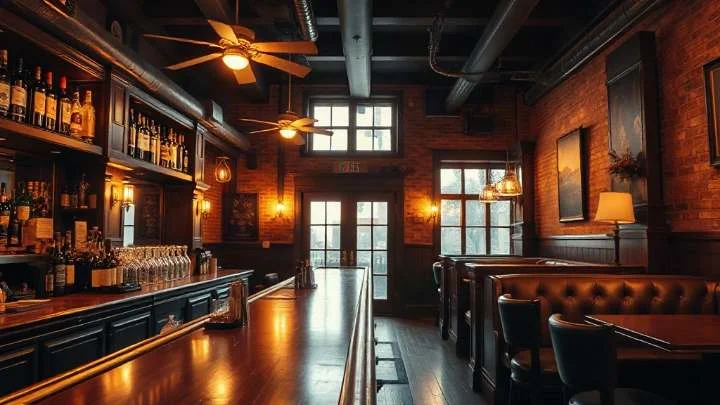
Tucson liquor licensing is regulated by the Arizona Department of Liquor Licenses and Control (DLLC), a state agency that oversees all aspects of alcohol licensing, compliance, and enforcement in Arizona. Whether you are opening a new concept, buying a license through a business purchase, or transferring a license as part of a sale, Liquor License Agents helps you choose the right license type and manage the process with a clear plan.
In Tucson, it is not enough to simply decide to sell alcohol. You need the right license series for your specific business model, and that license must align with your premises, your revenue structure, your local zoning, and the requirements of the Pima County governing body review process.
On the book
Showing 5 of 5 licenses
Series 9 · Liquor Store
$200,000
View PIM-3001Series 6 · Bar
$85,000
View PIM-1001Series 6 · Bar
$75,000
View PIM-1002Series 6 · Bar
$65,000
View PIM-1003Series 7 · Beer and Wine Bar
$22,000
View PIM-2001Nothing on the book matches that yet.
5 licenses across 3 classes · asking $22,000 to $200,000 · median ask $75,000 · 5 available, 0 under offer · on the market 24 to 104 days.
Last checked 6 November 2026.
Class rules are confirmed for your specific premises during qualification, and nothing on this page is legal advice.
How it works
Liquor licenses in Tucson are issued by the Arizona DLLC under Title 4 of the Arizona Revised Statutes. Arizona uses a two-track licensing system: quota licenses, which are limited in number by county population and must be obtained through the DLLC's annual lottery or purchased on the open secondary market; and non-quota licenses, which are available through direct DLLC application at the applicable annual fee.
All license applications in Tucson are submitted to the Pima County local governing body for a 20-day public review period. Local authorities may impose conditions, and the DLLC targets a 65 to 105 day processing window for standard applications. Transfers of existing quota licenses require DLLC background reviews, ownership and financing disclosures, and accurate premises documentation.
License classes
Common liquor license types used by businesses in Tucson include:
Choosing the correct license series affects what you can serve, who may be on the premises, your food revenue obligations, whether your license can be transferred or sold, and the local review process you will need to navigate.
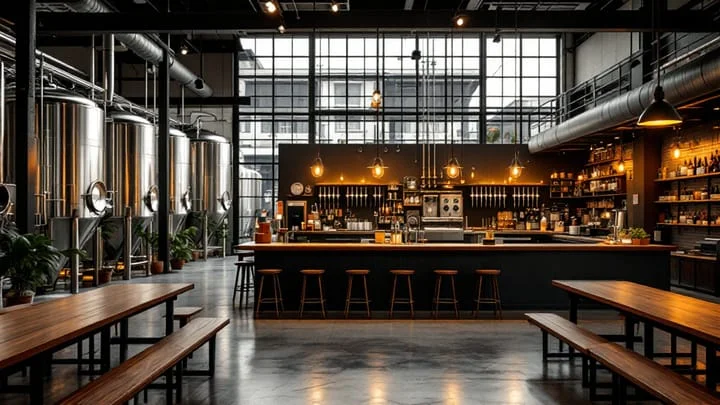
Entrepreneurs in Tucson who want to manufacture beer, wine, or distilled spirits in Arizona need a Series 1 In-State Producer license from the DLLC.
Bars, cocktail lounges, nightclubs, sports bars, and entertainment venues in Tucson that want to serve the full range of spirituous liquor—beer, wine, and distilled spirits—for on-premises consumption need an Arizona Series 6 Bar license.
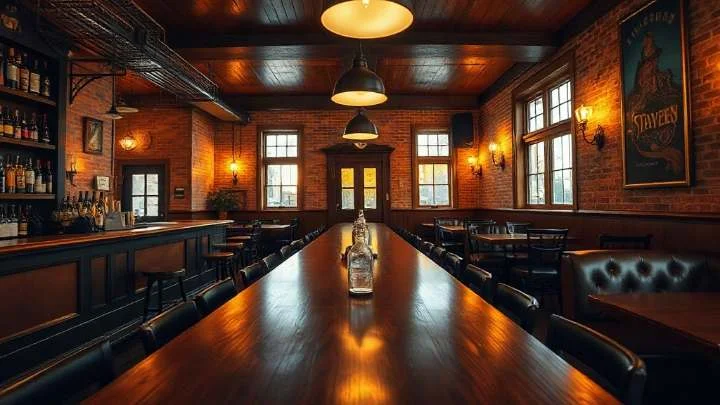
Bars, craft beer taprooms, wine bars, neighborhood taverns, and entertainment venues in Tucson that want to serve beer and wine for on-premises consumption without a full spirits program need an Arizona Series 7 Beer and Wine Bar license.
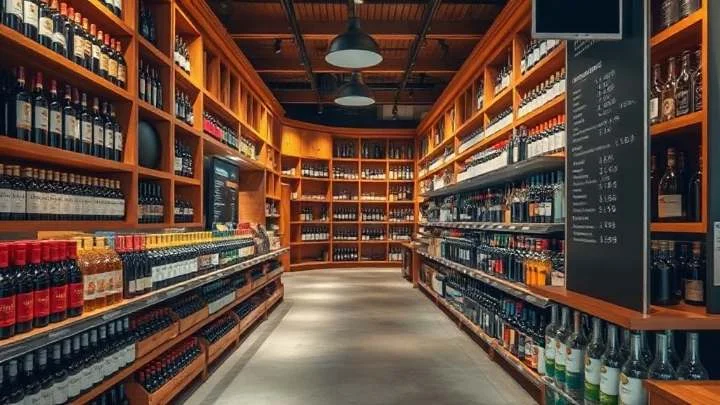
Retail liquor stores and package stores in Tucson that want to sell the full range of spirituous liquor—beer, wine, and distilled spirits—in sealed original packages for off-premises consumption need an Arizona Series 9 Liquor Store license.
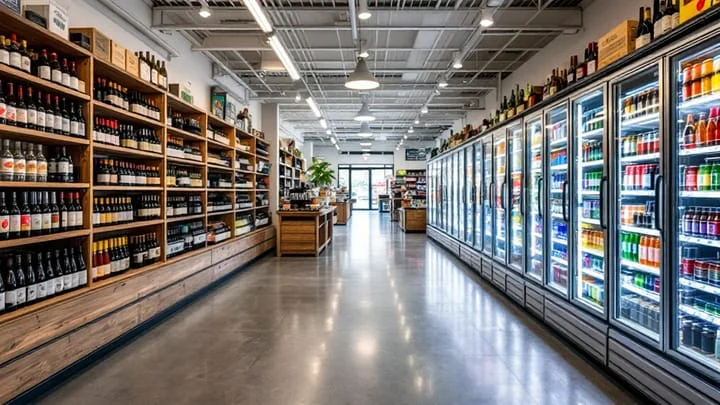
Grocery stores, convenience stores, specialty food markets, and retail outlets in Tucson that want to sell packaged beer and wine for off-premises consumption without entering the quota license market need an Arizona Series 10 Beer and Wine Store license.
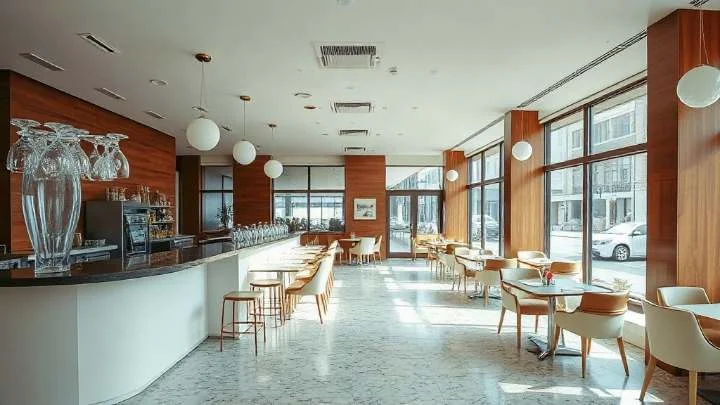
Hotels and motels in Tucson that operate a restaurant on-site and want to serve the full range of spirituous liquor to guests need an Arizona Series 11 Hotel and Motel license.
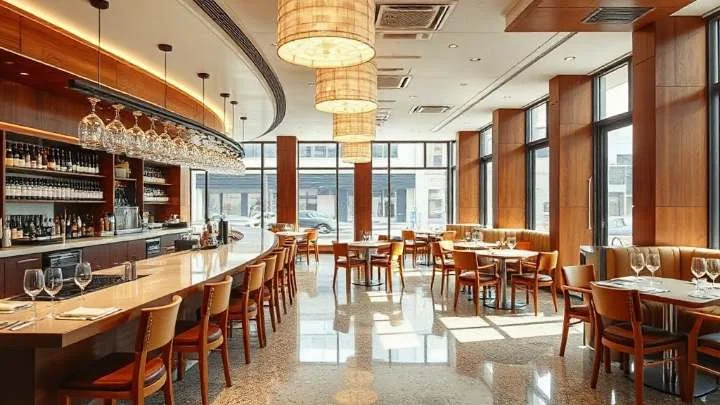
Restaurants in Tucson that want to serve the full range of spirituous liquor—beer, wine, and distilled spirits—for on-premises consumption without purchasing an expensive and scarce quota license can apply for an Arizona Series 12 Restaurant license.
How we help
Tucson transactions often involve tight timelines, complex lease terms, and premises details that can become costly if addressed too late. We support buyers and sellers by:
Our goal is to help you move forward with fewer surprises and a clearer path to approval.
Questions
Common licenses in Tucson include the Series 6 quota bar license, Series 7 quota beer and wine bar license, Series 9 quota liquor store license, Series 10 non-quota beer and wine store license, Series 11 hotel/motel license, Series 12 non-quota restaurant license, and Series 1 producer license for breweries, wineries, and distilleries.
Quota licenses—primarily the Series 6, 7, and 9—are limited in number by Arizona law based on Pima County's population. Once the quota is exhausted, they can only be obtained by purchasing from an existing holder on the open market or winning the DLLC lottery. Non-quota licenses—like the Series 10, 11, 12, and 1—are available through direct DLLC application with no population cap.
Yes. Quota licenses like the Series 6, 7, and 9 are transferable from person to person and from location to location within Pima County, subject to DLLC approval. The transfer process requires a complete DLLC application, background review, and the Tucson governing body's 20-day public review. We coordinate the entire process alongside your escrow and lease closing.
The DLLC targets a 65 to 105 day processing window from submission of a complete application. Timelines depend on background review, local governing body review periods, application completeness, and whether any corrections or objections arise. Starting early is essential to aligning your license with your lease and build-out schedule in Tucson.
All Tucson liquor license applications go through a 20-day public posting period at the proposed licensed premises and a review by the Tucson governing body. Local authorities may impose conditions related to hours, security, parking, entertainment, and proximity to schools or residential areas. Identifying those requirements early helps you avoid selecting a site that cannot realistically support your concept.
Your budget depends on the license type. Non-quota licenses (Series 10, 11, 12, 1) involve only DLLC application and annual fees, which range from a few hundred to a few thousand dollars per year. Quota licenses (Series 6, 7, 9) require purchasing on the open secondary market or winning the DLLC lottery—prices in Pima County can range from tens of thousands to several hundred thousand dollars depending on type and market conditions.
Who you are dealing with
Broker
Escrow held by
Tell us what you need
If you are planning a Tucson opening, purchase, or sale, a consultation can help you confirm the correct license series, anticipate local conditions that may affect your business model, and understand the transfer or application steps that typically control timing. We will review your concept and location strategy and outline practical next steps to keep the process moving.
To schedule a confidential appointment, call (800) 799-9081.
Or call the desk on (800) 799-9081.
Elsewhere in Arizona
If your site is somewhere else in Arizona, start from the Arizona hub: it routes to every city and county desk we run, and it is also the right starting point if you are still deciding where to open.