Type 20 · License only
SF-4001
$15,000
View SF-4001
San Francisco County · Type 20 · Off-Sale Beer and Wine
One Type 20 license on our San Francisco book, asking $15,000, the license only, on a page of its own.
The book
One license, priced, with the day it came to market. We publish the city and stop there, not the neighborhood, because for an off-sale license the neighborhood is most of the business and naming it would name the seller.
The entry below is one license at its own address, so you can open it, link to it or send it on. It is the license alone, no premises, no lease, no fixtures, no shelving, no goodwill, no stock.
Type 20 · License only
$15,000
View SF-40011 Type 20 license · asking $15,000 · 1 available · on the market 8 days.
Asking prices, availability and days on market are reviewed weekly and were last checked on 13 September 2026. Go to the inquiry form to tell the desk what you are opening.
The privilege
| Class | Type 20, Off-Sale Beer and Wine |
|---|---|
| In plain English | A shop selling beer and wine sealed, to be taken away. No distilled spirits of any kind. |
| Food obligation | None. |
| Minors | May be on the premises and may work there subject to the usual rules, but may not purchase. |
| Hours | California permits sale from 6:00 a.m. to 2:00 a.m. Conditions on an individual San Francisco license can narrow that, and they transfer with the license. |
| Quota status | Not a quota class. ABC will issue a new original to a qualified applicant at an approved premises. There is no fixed pool, which is why this class costs a fraction of the others on this site. |
| Buy or apply? | Apply, unless you are buying certainty about an address that is already approved, or you cannot afford the posting period. We will tell you which side of that line you are on before you pay us anything, and we handle the application either way. |
| Moving it to another address | A premises-to-premises transfer inside San Francisco County is possible with ABC approval and a fresh 30-day posting. Since a new original is available anyway, an address move is rarely the reason to buy this class second-hand. |
| Local approval | Separate from ABC and the real constraint on this class. Parts of San Francisco restrict new off-sale alcohol uses under the Planning Code whatever the license type, so the district decides more than the class does. |
| Included in the price | The license. No premises, no lease, no fixtures, no shelving, no goodwill, no stock. |
This table summarizes the class from the Department of Alcoholic Beverage Control’s own definitions and from how San Francisco files actually run. It is a summary, not a quotation, and it is not legal advice, conditions on an individual license override the general picture, and you will see those on qualification.
The room
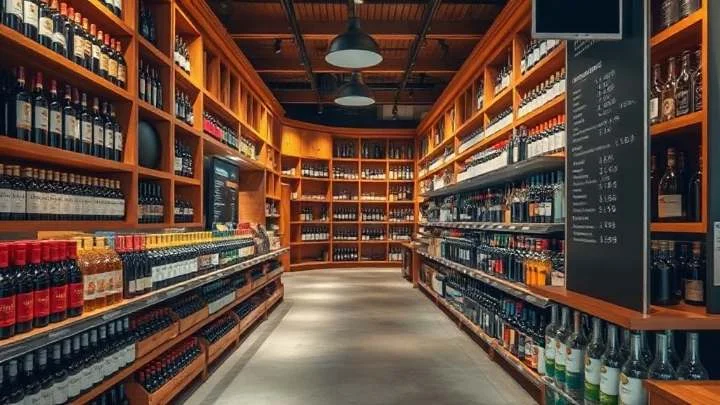
A license is an abstraction until you picture the shop. A San Francisco Type 20 sits behind a counter in a room that mostly sells other things, the beer and the wine are a line of the business, not the whole of it.
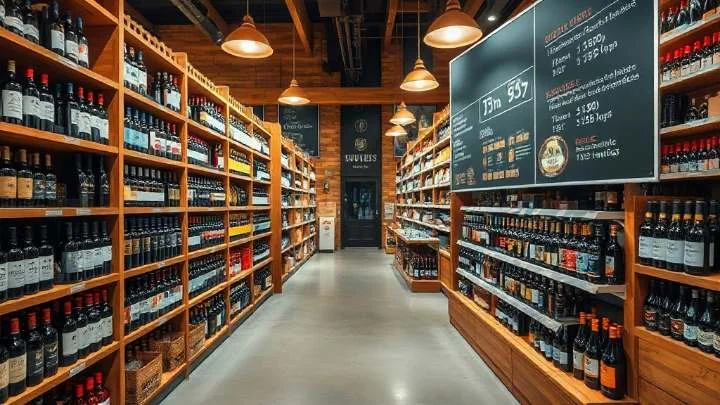
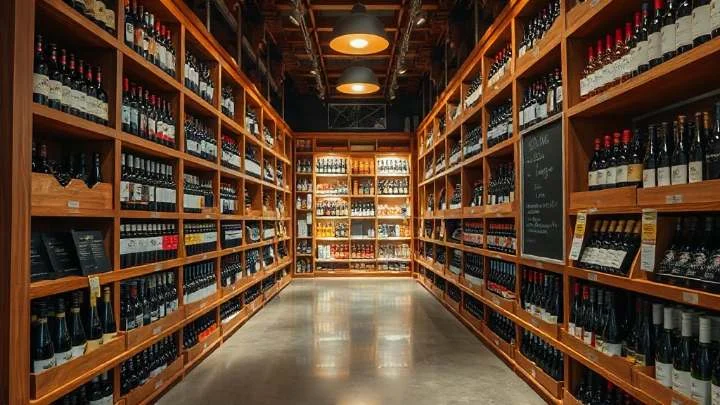
Seeing a specific room happens after qualification and the mutual NDA, in person and with the seller’s consent. Until then the page carries the county, the class, the price and the dates, which is everything you need to decide whether to inquire.
The band
There is one Type 20 on the San Francisco book and it asks $15,000. There is no scarcity premium in this price, so it is doing something different from every other price on this site.
What you are buying is time, not supply. A new Type 20 original costs the ABC application fee and roughly two to three months of waiting, including the statutory 30-day posting. For a fitted-out shop paying rent and not yet trading, buying a license that is already attached to an approved use at an approved address can be cheaper than the wait.
What could make it worth less than the application. If your address is not yet approved for an off-sale alcohol use, buying an existing license solves nothing, the Planning question follows the address, not the license. In that situation the application route and the purchase route face the same obstacle, and only one of them costs $15,000.
And the comparison that explains this whole site. $15,000 for a class ABC will issue on application; $232,500 for a Type 47 it will not. Same city, same paperwork, same desk. The difference is the quota, and nothing else.
Read off our own current San Francisco book on 13 September 2026 and restated whenever the book changes.
Beyond the price
The asking price is not the cost of the deal. Here is the rest of it, itemized against the $15,000 asking price.
Three columns. On a narrow screen the table scrolls sideways inside its own box, the page does not.
| Item | Paid to | Amount |
|---|---|---|
| Escrow fee | Licensed escrow holder, as Bus. & Prof. Code §24074 requires | $1,450 |
| ABC person-to-person transfer fee | California Department of Alcoholic Beverage Control | $1,250 |
| Notice of intended transfer, published | Newspaper of general circulation in San Francisco | $385 |
| Live Scan and fingerprinting, two principals | California Department of Justice, via ABC | $160 |
| Buyer’s counsel, ABC transfer work | Your attorney | $4,800 |
| Costs to close | Excluding the license price | $8,045 |
| This license plus costs to close | $15,000 + $8,045 | $23,045 |
The whole price goes into escrow, not a deposit. This is the part that surprises buyers coming from other states. California requires the full consideration for a license transfer to be placed with a licensed escrow holder before the transfer is approved, and it is released to the seller only on issue. There is no 10% and no balance on completion.
Conditional use, where San Francisco requires it. A change of license or a new alcohol use in many of the city’s Neighborhood Commercial Districts needs Conditional Use Authorization from the Planning Commission before ABC will act. Budget $3,000 to $8,000 and three to five months for that track, and treat it as separate from the figures above. It is the single largest source of San Francisco timetable slippage.
After you hold it: the ABC annual renewal on a San Francisco on-sale general license runs about $1,400, and about $700 on an off-sale.
Our commission: our fee, quoted in writing before we start, paid by the seller at closing. There is no buyer-side fee, no registration fee and no charge for the confidential file once you are qualified.
Financing: a license is not mortgageable the way real property is, and most California lenders will not lend against one alone. We work with two lenders who underwrite license transfers as part of a wider fit-out facility and will make an introduction.
Fee amounts are our current working figures for a San Francisco file and were last checked on 13 September 2026. The escrow requirement, the conditional-use track and the renewal bands are described from practice rather than quoted from a fee schedule, confirm the current ABC fee schedule and your Planning district before you sign anything.
The timetable
Six stages from an accepted offer to a license in your name. Thirty of those days are a statutory posting that nobody can shorten.
7 days. A purchase agreement, then escrow with a licensed escrow holder. California requires the full consideration to sit in escrow before the Department will approve the transfer, so this is the point your money moves, not completion day.
10 days. The person-to-person transfer application, Live Scan fingerprinting for every principal, and proof of funds. This is also when the mutual NDA is signed and the confidential file, license number, licensee of record, premises address, term, encumbrances, tax position, is released to you.
30 days. ABC posts the application at the premises for 30 days, and the notice of intended transfer is published in a newspaper of general circulation. The 30 days are statutory and cannot be shortened, whatever anyone promises you.
14 days. Any protest filed during the posting is worked through here, and this is where San Francisco can add time: the Police Department’s alcohol liaison reviews on-sale applications, and a Planning conditional use, if your district needs one, runs on its own much longer calendar.
10 days. The investigator confirms the premises, the qualification of the buyer and the tax position of the seller. Clean files clear here without anyone hearing from anyone.
7 days. Approval issued, escrow released to the seller, license recorded against you. You can trade.
Stage day counts are the medians from our own closed California files and add to . The 30-day posting is a statutory period; the rest is how San Francisco files actually run.
Released when you qualify
Not masked, not blurred, not shown in part. They are simply not published, for any license, anywhere on this site. A seller is almost always still trading. In a city where a neighborhood and a license class narrow a business to a handful of doors, publishing either one tells their staff, their landlord and the operator across the street that they are selling. So the shop window carries everything you need to shortlist, and nothing that identifies the seller.
Published on every listing
Released after qualification and NDA
How the release works. Qualification is two things: proof of funds, and the personal information every principal has to give ABC anyway. Sign a mutual non-disclosure agreement and the complete file is released to you within one business day. There is no fee for it. Four further San Francisco licenses are held entirely off-market at the seller’s request and are only ever shown this way, they are not among the 30 on the book. Qualification starts at the inquiry form.
Type 20 · San Francisco
Seven fields. We reply inside one business day, from a named person, with the next step and nothing else. No newsletter, no drip sequence, no call center.
Tell us the venue and we will tell you the license, rather than the other way round, and whether the sensible route is to buy one on the book or to apply for a new one. We handle whichever it is.
Prefer to talk? The direct line is (800) 799-9081, or write to mike@liquorlicenseagents.com.
Inquiring commits you to nothing, and there is no buyer-side fee.
The other side of the desk
What we need to list it. The license number, the licensee of record and the premises address, so we can read the register entry, the conditions and the term before we price anything. None of that is published. What goes on the page is the county, the class, the asking price, the date and the status, the fields you can see on every entry above, and nothing else.
What it costs you. our fee, quoted in writing before we start, paid at closing out of escrow. Nothing up front, nothing if it does not sell, no listing fee and no renewal. You pay your own counsel and the escrow holder.
How long it takes. Two clocks. Finding a qualified buyer is the one that varies, the one Type 20 license on our book has been listed 8 days. Once an offer is accepted the 78-day transfer timetable applies to you exactly as it applies to the buyer, and 30 of those days are a statutory posting nobody can shorten.
What stays confidential until a buyer qualifies. Everything that identifies you. Your staff, your landlord, your suppliers and the operator across the street learn nothing from this page. A buyer sees the identifying file only after proof of funds and a signed mutual NDA, and you see who they are at the same moment they see who you are.
Questions
Apply, unless one of two things is true: the address you intend to trade from is already approved for an off-sale alcohol use and the license comes with it, or you are paying rent on a fitted shop and the two-to-three month application timetable costs you more than the license does. On every other set of facts the application is the cheaper route and we will tell you so, and then run it for you, because applying to ABC is work this desk does alongside the brokerage.
Budget two to three months in a clean case: the application and qualification, then the statutory 30-day posting at the premises, then the investigation and issue. A protest or a Planning question about the address extends it, sometimes considerably. A purchase runs the same 78-day transfer timetable as every other class on this site, so the gap between the two routes is smaller than people expect.
No. You would be buying a Type 21 on the open market, at whatever the quota is pricing when you do it, on this book, a $175,000 median. A license class is not upgraded; it is replaced. If spirits are plausibly part of the plan within a couple of years, work out what the Type 21 costs now before you commit to the cheaper route.
On this class, usually yes. Parts of San Francisco restrict new off-sale alcohol uses under the Planning Code whatever the license class, and that question follows the address rather than the license or the buyer. Send us the address before you decide anything else; it is the first thing we will ask for.
For beer and wine, yes, sealed, taken away, not opened on the premises. It is the right license for a corner shop, a bottle shop without spirits, a grocery or a deli with a fridge and a wine rack. If you want to sell spirits, or let anyone drink on site, it is not, and the class you need is a Type 21 or an on-sale license respectively.
Activity, honestly
The Type 20 above carries the day it came to market and how long it has sat there, 8 days. That is a fact we can stand behind. What you will not find anywhere on this site:
We would rather publish the one activity signal that is checkable, the day a license came to our book, and how long it has sat there, and nothing we cannot stand behind.
Who you are dealing with
Broker
Files closed
Escrow held by
ABC counsel
The other classes
Six classes have a page here. Four hold resale stock and two hold none, which changes the route rather than the answer. The wrong class is an expensive mistake to unwind, so here are the others.
On the book now
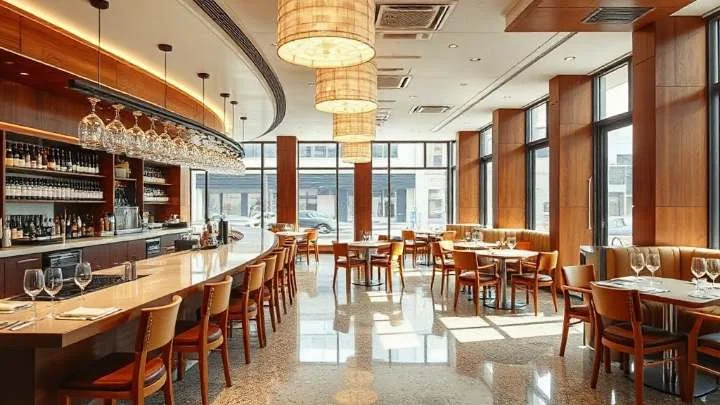
A full bar inside a restaurant. The deepest class in San Francisco and the one most buyers mean when they say “a liquor license”.
A liquor store license: beer, wine and spirits sold sealed, to be drunk somewhere else. Quota-limited, and the widest price spread of any San Francisco class.
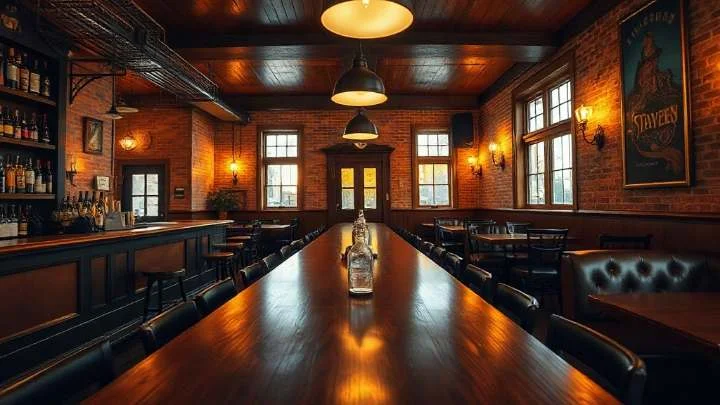
A bar or nightclub license: the same drinks as a Type 47 with no kitchen obligation, and nobody under 21 on the premises. Genuinely rare here.
No resale stock, reached by applying
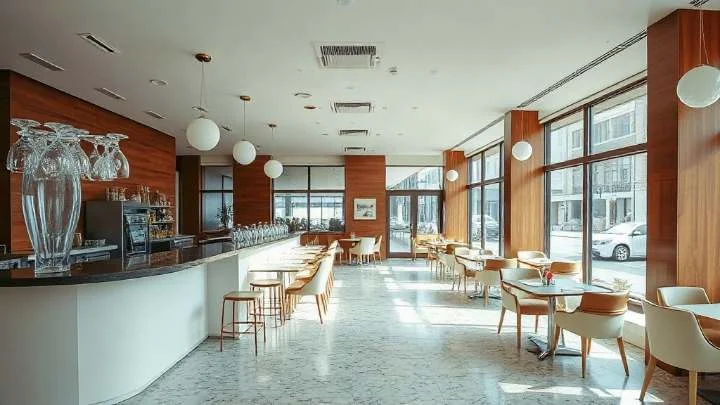
On-sale beer and wine for a bona fide eating place. Nothing on the resale book right now, and the route to one is an application we run for you.
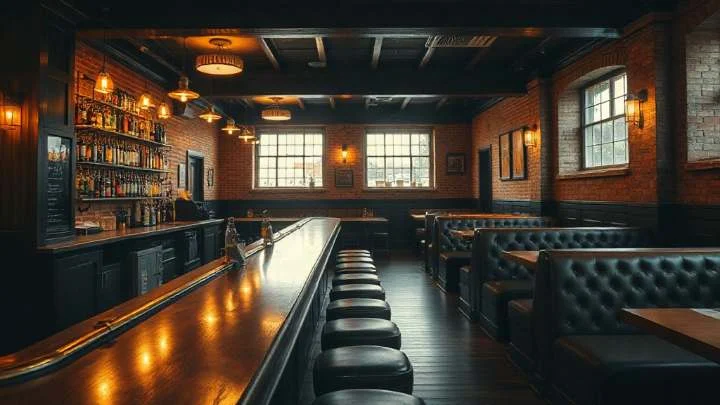
On-sale beer. Nothing on the resale book right now, and the route to one is an application we run for you.
Type 41 (On-Sale Beer and Wine, Eating Place) and Type 40 (On-Sale Beer) each have a page of their own. Neither has resale stock on our San Francisco book right now, and both pages set out the application route instead.