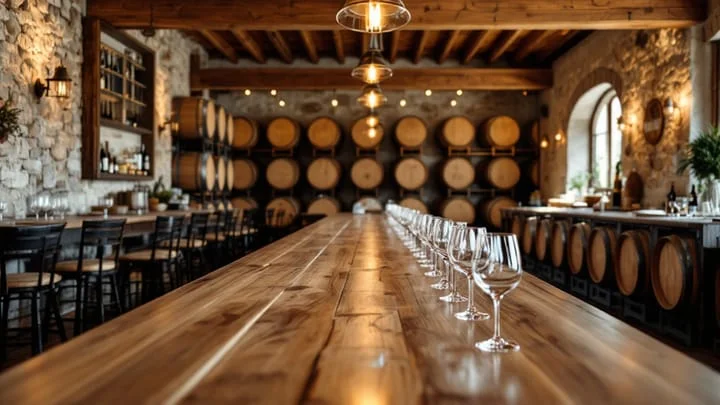
Type 02
Winegrower
Urban wineries, custom-crush operations, and hybrid wine venues are increasingly part of the Los Angeles County landscape.

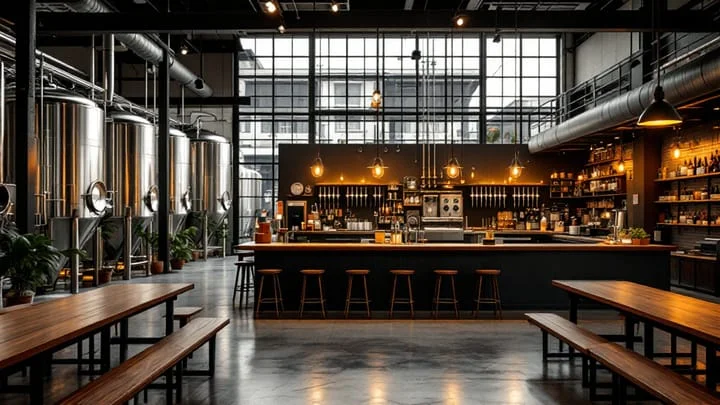
Los Angeles County · Type 23
From warehouse districts to creative corridors, Los Angeles County has become a hub for small breweries and taprooms serving local neighborhoods, wholesale accounts, and visitors. For many of these producers, the California Type 23 small beer manufacturer license is the right foundation.
Liquor License Agents helps small brewers, founders, and investors in Los Angeles County design a Type 23 licensing strategy that supports production, tasting-room service, and distribution goals.
On the book
Nothing on the book does not mean you cannot have one. Depending on the class and the county, the route is either buying an existing license or applying to the Department of Alcoholic Beverage Control for a new one, and we handle both. Tell us what you are opening and we will tell you which applies, and handle whichever it is.
On the Los Angeles County Type 23 book right now: none.
Class rules are confirmed for your specific premises during qualification, and nothing on this page is legal advice.
The privilege
A Type 23 license is designed for small-scale beer manufacturers. In Los Angeles County, a Type 23 license generally allows you to:
The Type 23 category gives small brewers a mix of production and market access without the regulatory footprint of a large industrial brewery.
Choosing a class
A Type 23 license may be a strong fit if:
If your long-term plan is to grow to large-scale manufacturing or complex wholesaling operations, a different manufacturing category may be more appropriate. We help you evaluate how your projected barrelage and growth curve align with Type 23 limits.
How we help
Small breweries must balance brewing operations, taproom design, and industrial or commercial zoning requirements. Liquor License Agents coordinates these factors so you do not design a space that your license or local permits cannot support.
We support Type 23 projects by:
Our goal is to provide a clear licensing roadmap so you can focus on recipes, branding, and customer experience.
Questions
With a Type 23 license, you may brew beer at your licensed premises and sell that beer in several ways: on-sale in your tasting room, off-sale in packaged form at the brewery, and, within regulatory limits, through self-distribution to retailers. All activity must remain consistent with ABC rules and your local approvals.
Type 23 is reserved for small manufacturers, so annual production is capped at levels set in California law. These caps distinguish small brewers from large production facilities and can affect your eligibility if you plan rapid volume growth. We review your forecasts against current caps to confirm that Type 23 is sustainable for your business.
Yes, many Type 23 breweries operate taprooms where customers can enjoy pints, flights, and events. The viability of a taproom depends on zoning, parking, and neighborhood conditions. We help you coordinate your license plan with land use approvals so you can host customers on-site legally and sustainably.
Type 23 licensees generally have self-distribution privileges that allow them to sell beer directly to other licensees, subject to specific rules and reporting requirements. Used correctly, self-distribution can be a powerful tool for brand-building. We help you understand those rules so you can grow wholesale business without creating compliance issues.
Plan for a process that takes several months. ABC review, city or county approvals, build-out, and inspections all influence timing. Starting the licensing process early in your project and submitting complete, well-prepared applications can help shorten the overall timeline.
Breweries typically operate in industrial, light-industrial, or certain commercial zones. Each has rules about noise, truck traffic, parking, hours, and compatibility with nearby residential uses. Taprooms in mixed-use districts may face added scrutiny. We work with you and local planners to choose a site and design that are brewery-friendly.
Who you are dealing with
Broker
Escrow held by
Tell us what you need
If you are planning a brewery, taproom, or small beer manufacturing operation in Los Angeles County and want to pursue a Type 23 license, you can call (800) 799-9081 to schedule an appointment and review licensing, zoning, and growth strategy with an experienced advisor.
Or call the desk on (800) 799-9081.
The other classes
These are the other license classes that have their own Los Angeles County page. The wrong class is an expensive mistake to unwind, so check what each one permits before you commit.
Urban wineries, custom-crush operations, and hybrid wine venues are increasingly part of the Los Angeles County landscape.
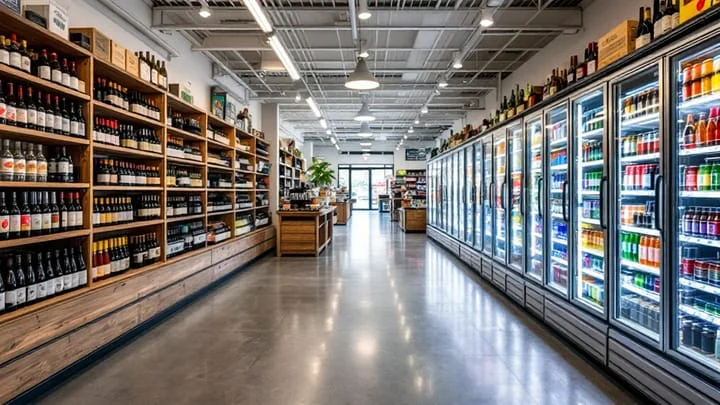
From dense urban neighborhoods to freeway-adjacent retail centers, Los Angeles County supports thousands of convenience stores, gas stations, and small markets that sell beer and wine to-go.
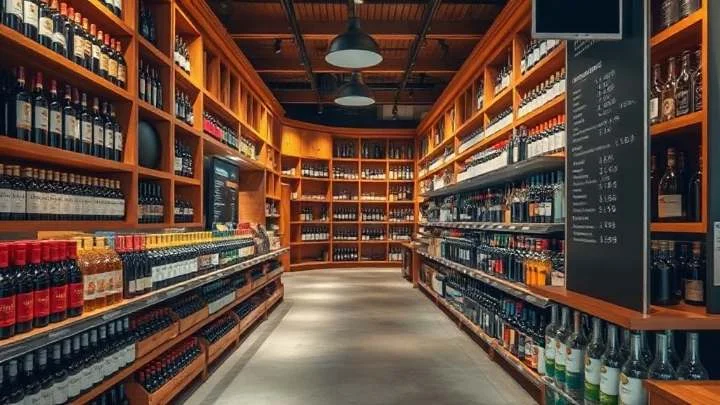
Can you still get a new Type 21 liquor license in Los Angeles, or do you have to buy one?
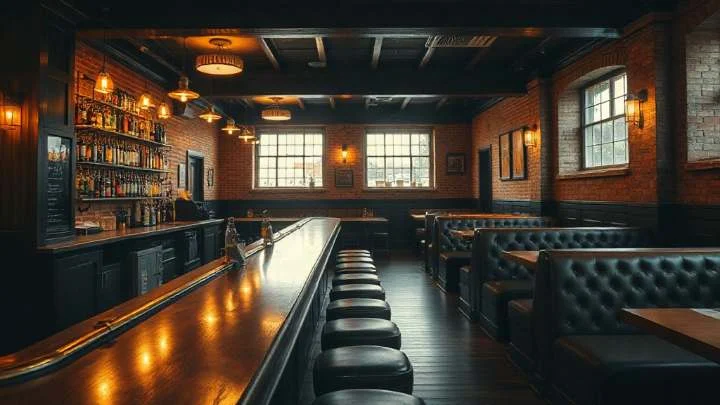
Many Los Angeles County operators want to create relaxed, beer-focused spaces without the complexity of a full liquor program.

Los Angeles County’s restaurant scene spans casual cafés, family eateries, and neighborhood spots where guests expect beer or wine with their meal but not necessarily a full bar.
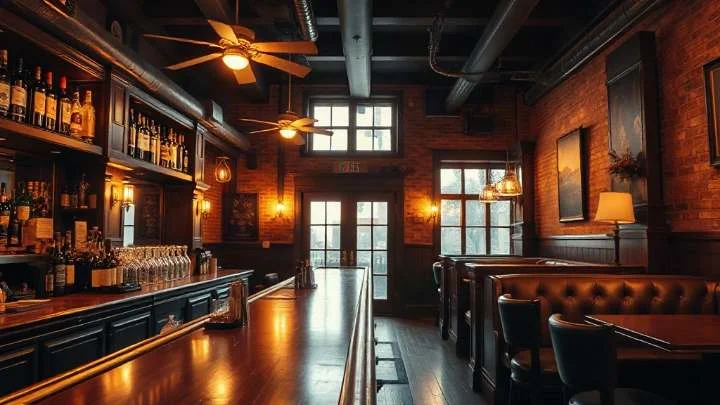
Some Los Angeles County concepts want a full beer-and-wine program in an adults-only setting without the complexity of restaurant requirements.
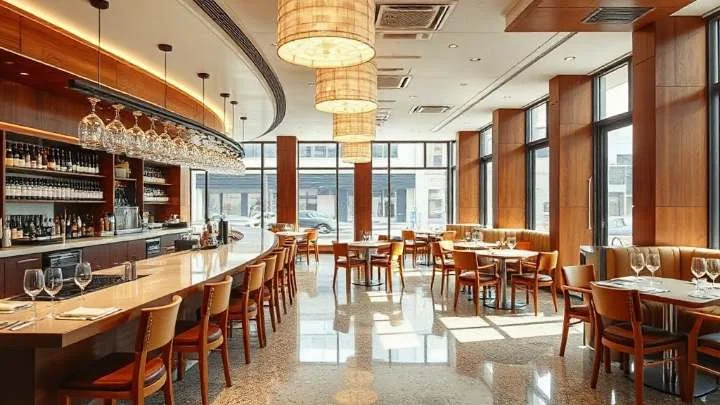
Holding a Type 47 liquor license in Los Angeles is half the job.
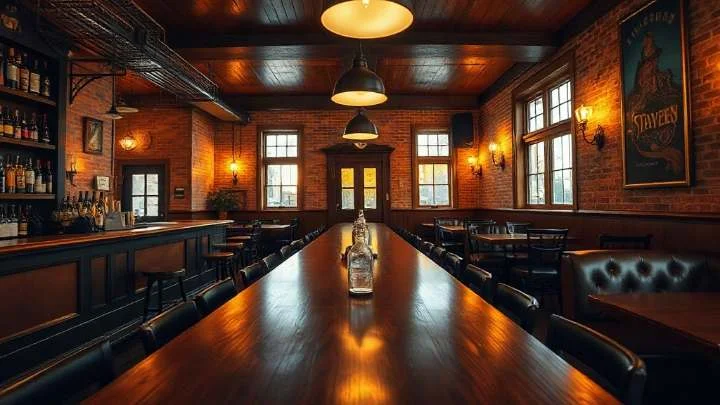
In the words of ABC, the state Department of Alcoholic Beverage Control, the Type 48 is an "On-Sale General - Public Premises" license issued to bars and night clubs.
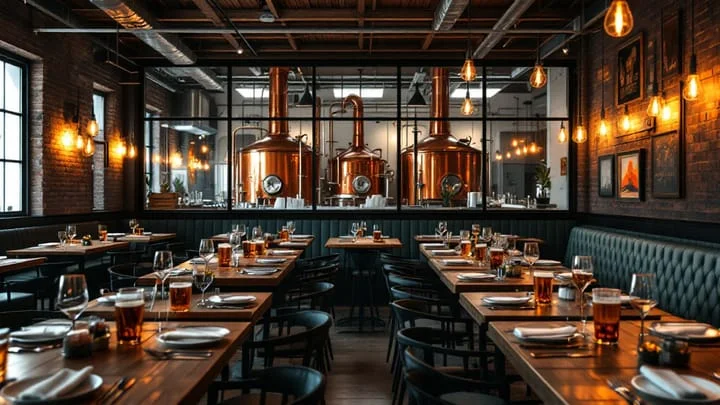
Brewpubs continue to grow across Los Angeles County, blending on-site brewing with full-service dining and bar programs.
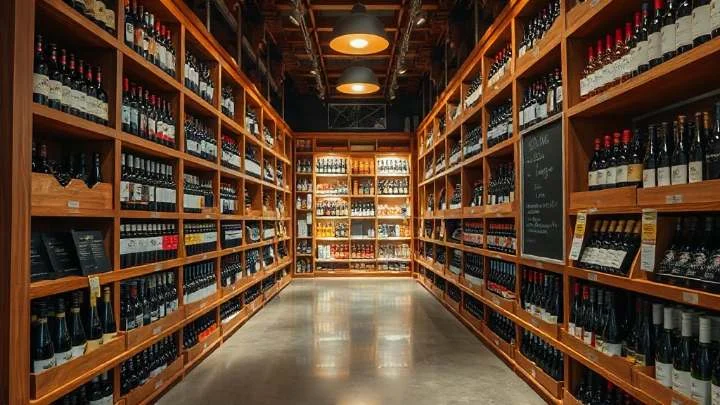
Not every Los Angeles County business that wants to sell wine needs a full beer-and-wine or full-liquor license.