Type 48 · On-Sale General, Public Premises
SD-3002
$150,000
View SD-3002
Oceanside · City desk
Oceanside is a North County coastal market where liquor licensing often intersects with downtown growth, beachfront demand, and corridor development. If you are opening a restaurant, buying an existing venue, or transferring a license as part of a sale, working with Liquor License Agents helps you choose the correct California license type and manage the transfer process with realistic milestones.
Coastal markets can be sensitive to premises details, patios, and operating conditions, so planning early helps prevent last minute changes.
On the book
Showing 5 of 5 licenses
Type 48 · On-Sale General, Public Premises
$150,000
View SD-3002Type 47 · On-Sale General, Eating Place
$135,000
View SD-1003Type 21 · Off-Sale General
$30,000
View SD-2003Type 20 · Off-Sale Beer and Wine
$18,000
View SD-4001Type 41 · On-Sale Beer and Wine, Eating Place
$8,000
View SD-5004Nothing on the book matches that yet.
5 licenses across 5 classes · asking $8,000 to $150,000 · median ask $30,000 · 4 available, 1 under offer · on the market 23 to 86 days.
Last checked 6 November 2026.
Class rules are confirmed for your specific premises during qualification, and nothing on this page is legal advice.
See the full San Diego County book
How it works
Liquor licenses in Oceanside are regulated by the California Department of Alcoholic Beverage Control. Many businesses obtain the privileges they need through a person to person transfer, purchasing an existing license and applying to transfer it to a qualified buyer, sometimes with a location change.
Transfers typically include background review, posting and notice requirements, ownership and financing disclosures, and a clear definition of the licensed premises. Restaurant license types may require bona fide eating place operations, including kitchen service and complete meals.
License classes
Common license types in Oceanside include:
Choosing correctly affects spirits privileges, minors, kitchen requirements, and operational expectations.

Oceanside's grocery stores, convenience retailers, delis, and neighborhood markets that want to sell packaged beer and wine for off-premises consumption need a California Liquor License Type 20.
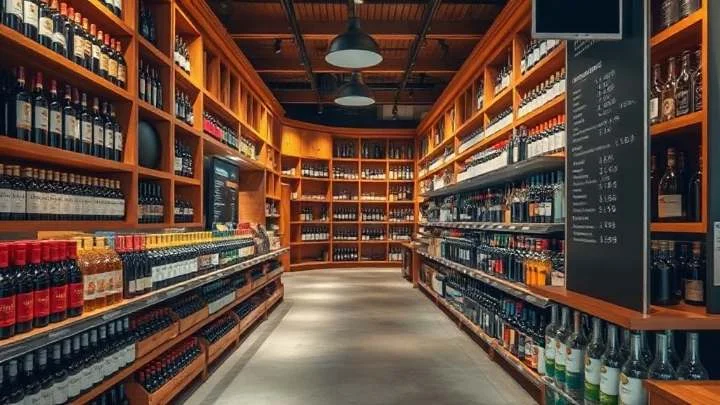
A California Liquor License Type 21 is required for any retail store in Oceanside that wants to sell a full range of packaged alcoholic beverages—including beer, wine, and spirits—for off-premises consumption.
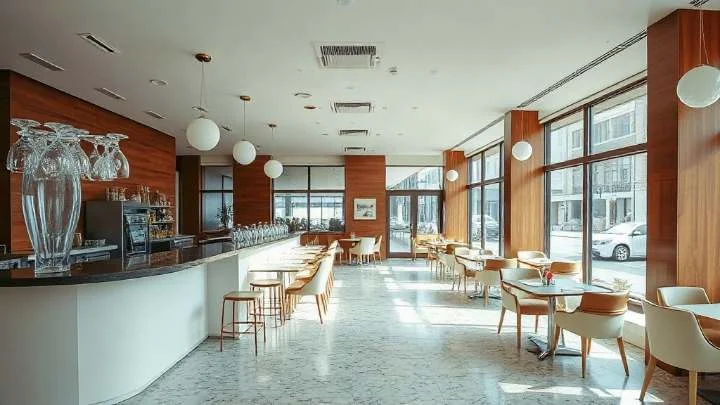
Restaurants, cafés, pizzerias, brunch spots, and casual dining establishments in Oceanside that want to serve beer and wine on-premises with meals typically need a California Liquor License Type 41.
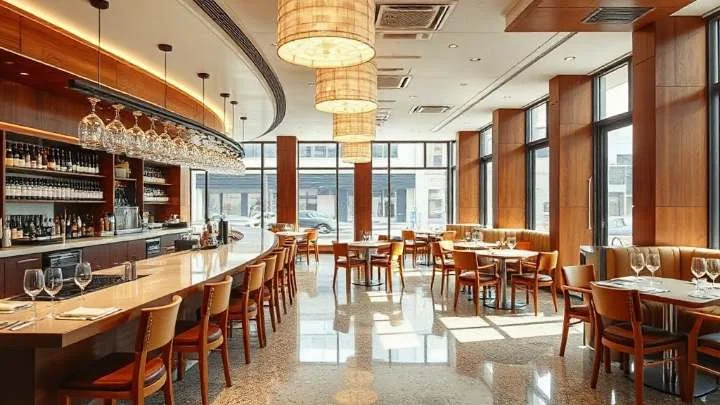
Restaurants and dining establishments in Oceanside that want to serve a full bar—including cocktails, spirits, beer, and wine—alongside food typically need a California Liquor License Type 47.
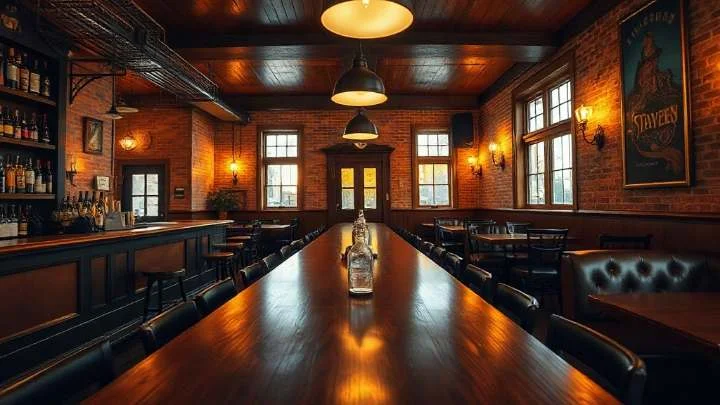
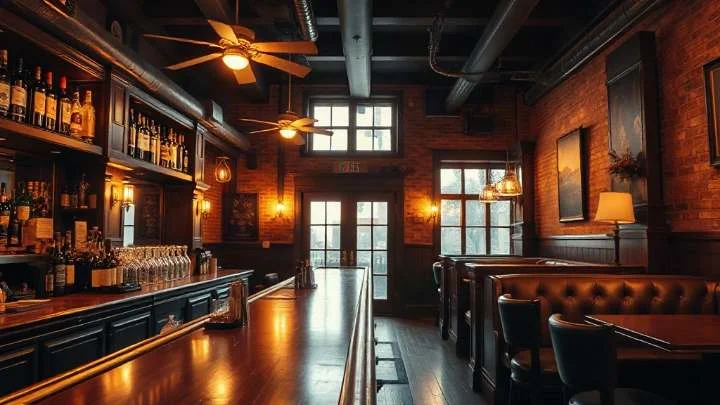
Bars, nightclubs, cocktail lounges, and entertainment venues in Oceanside that want to serve a full range of alcoholic beverages without the requirement to operate primarily as a food service establishment need a California Liquor License Type 48.
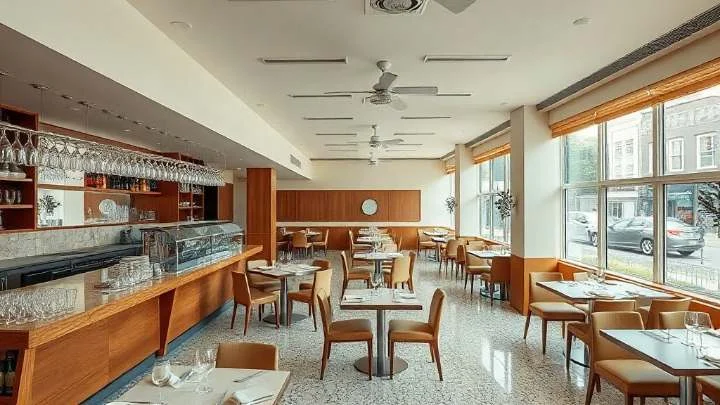
A California Liquor License Type 57 in Oceanside does not require food service, but it authorizes sales to members and guests only.
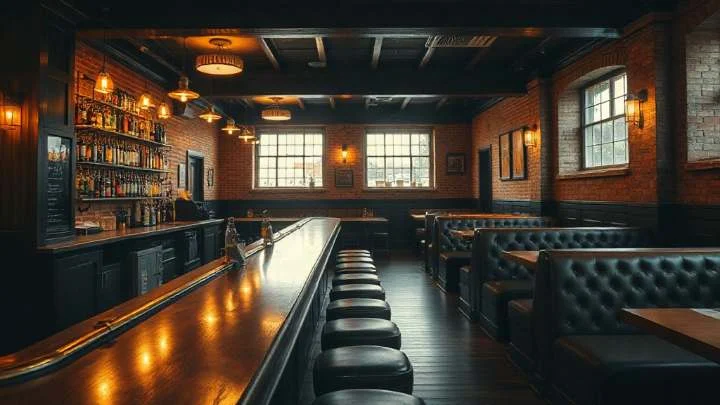
Bars and taverns in Oceanside that sell beer only, for consumption on or off the licensed premises, may use a California Liquor License Type 61, ABC's On-Sale Beer, Public Premises license.
How we help
Oceanside transactions often involve tight timelines tied to openings and seasonal business cycles. We help you:
Our goal is a predictable transfer process that supports your opening or transition.
Questions
Oceanside commonly involves restaurant licenses for beer and wine or full liquor, retail off sale licenses for stores, and public premises licenses for bar focused concepts. The right license depends on whether alcohol is served on site or sold off premises, and whether the business is structured as a bona fide eating place.
Start with your operating model. Restaurants that serve complete meals typically choose beer and wine only or full liquor depending on whether spirits and cocktails are essential. Bars and lounges generally require a public premises structure. Beachfront venues should plan patios, outdoor service, and service boundaries early so the licensed premises reflects how guests will be served.
Yes. Transfers are common across North San Diego County and are often coordinated through escrow. ABC reviews ownership disclosures, financing, and premises details, so accurate documentation and a clear premises definition help prevent delays.
Most transfers take months rather than weeks. Timelines depend on background review, posting requirements, application completeness, and whether corrections are requested. Early planning helps align licensing with lease dates, buildout schedules, and opening targets.
Coastal and downtown areas can involve sensitivity around hours, patios, noise, and visitor traffic. Corridor sites may have additional considerations tied to parking, security planning, and adjacent uses. Some projects require local approvals that shape operating conditions even after the state license is issued, so identifying these factors early helps keep the licensing plan realistic.
Budget for the license market price, escrow and transaction expenses, application related costs, and any operational changes required by license conditions. Pricing varies by license type and demand, especially for full liquor privileges in high demand coastal corridors, so realistic ranges should be established early.
Who you are dealing with
Broker
Escrow held by
Tell us what you need
If you are opening, buying, or selling in Oceanside, a consultation can help you avoid delays tied to wrong license selection, incomplete disclosures, and premises issues that require rework. We will review your concept, confirm the best licensing path, and outline practical next steps for a clean transfer and approval process that supports your timeline.
To schedule a confidential appointment, call (800) 799-9081.
Or call the desk on (800) 799-9081.
Elsewhere in California
If your site is somewhere else in California, start from the California hub: it routes to every city and county desk we run, and it is also the right starting point if you are still deciding where to open.